iDose® TR

Fewer eye drops. More consistency. Long-term eye pressure control.

What is the iDose TR Glaucoma Implant?

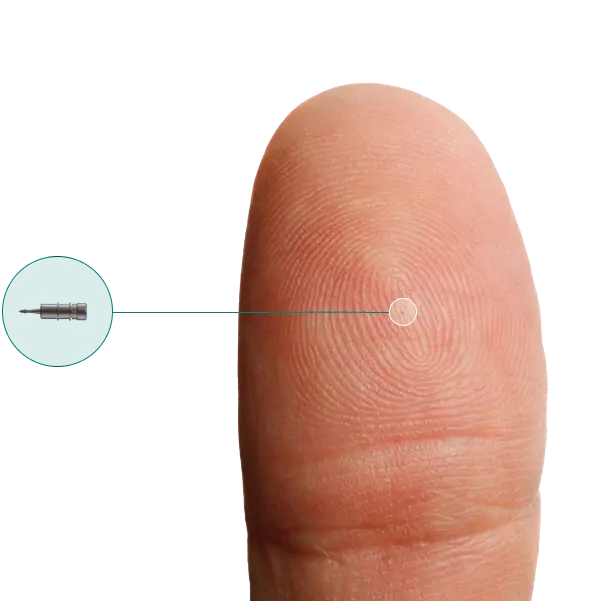
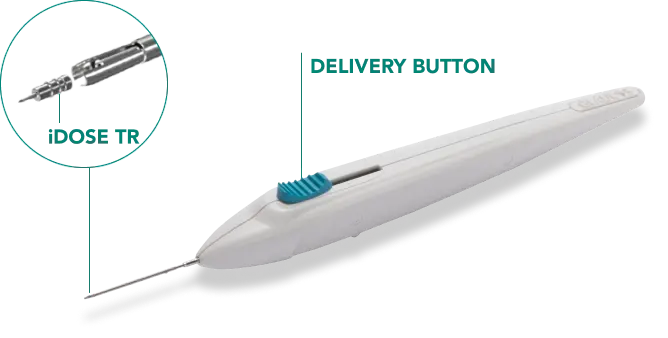
The iDose® TR glaucoma implant is a microscopic implant placed inside the front chamber of the eye. It continuously releases a proven glaucoma medication (travoprost) directly where it is needed, helping to lower and stabilize eye pressure over months to years.

Clinical studies demonstrate that many patients remain controlled and require fewer or no daily drops for at least a year after implantation, with data supporting pressure control for up to three years in many eyes. Individual results may vary, and your doctor will monitor your blood pressure over time.

At M&M Eye Institute, our glaucoma specialists utilize the iDose® TR glaucoma implant as part of a personalized plan tailored to your stage of disease, eye pressure goals, and lifestyle.

Play Video
iDose video cover with Dr. Felsted, DO.
iDose TR banner

Who may Benefit from the iDose® TR Glaucoma Implant?

You may be a candidate for the iDose® TR glaucoma implant if you:

  • Have open-angle glaucoma or ocular hypertension, confirmed by your eye doctor.
  • Struggle with complex drop schedules or often forget doses
  • Notice uncomfortable side effects like burning, redness, or headaches
  • Need steadier eye pressure despite using drops

Want a long-acting option that may reduce how many drops you use every day

Your M&M Eye Institute doctor will also consider your optic nerve health, visual field results, prior surgeries, and overall medical history before recommending this implant.

Sample image of iDose TR size comparision to a thumb.

How the iDose® TR Glaucoma Implant Procedure Works

At M&M Eye Institute, the iDose® TR glaucoma implant procedure is a short, outpatient treatment that fits into a clear, step-by-step plan.

Your visit begins with a comprehensive glaucoma workup, allowing your doctor to confirm that iDose® TR is the proper treatment for you. This typically includes eye pressure measurements, optic nerve imaging, visual field testing, and measurements of the front of the eye. Using these results, your surgeon sets a target eye pressure and designs a treatment plan that may include iDose® TR alone or in combination with drops or other procedures.

The iDose® TR glaucoma implant is placed in a clinic or outpatient surgery setting. On the day of your procedure, your team reviews your medications, addresses any questions you may have, and applies numbing drops to keep your eye comfortable.

Through a tiny incision at the edge of the cornea, your surgeon gently positions the pre-loaded iDose® TR implant in the eye’s drainage area, where fluid naturally leaves the eye. The placement typically takes only a few minutes per eye, and most patients are discharged the same day with a protective shield and simple drop instructions.

After the procedure, you return for scheduled follow-up visits at M&M Eye Institute. At these appointments, your doctor checks eye pressure, confirms that the iDose® TR glaucoma implant is in the correct position, and adjusts any remaining drop regimen. The implant then works continuously in the background, releasing medication over time to help maintain more stable pressure as part of your long-term glaucoma care plan.

How the iDose® TR Glaucoma Implant Compares to Other Glaucoma Treatments

Glaucoma treatment typically involves a layered approach over time. Here is how the iDose® TR glaucoma implant fits into that picture:

1

Daily glaucoma eye drops

  • Pros: Non-surgical, flexible combinations, widely available
  • Cons: Easy to forget, can cause stinging or redness, and may have systemic side effects. Missed doses are a significant cause of glaucoma progression.
2

Laser therapy (SLT / DSLT)

  • Pros: Quick in-office procedure; can delay or reduce the need for drops
  • Cons: The effect may fade over time; many patients still require drops later.
3

Minimally Invasive Glaucoma Surgery (MIGS)

  • Pros: Often combined with cataract surgery; can open or bypass drainage channels
  • Cons: Best for mild to moderate disease; not ideal for every eye.
4

iDose TR glaucoma implant

  • Pros: Long-acting drug delivery inside the eye; 24/7 therapy without daily drop administration; can reduce or eliminate drop use for many patients; addresses adherence challenges directly.
  • Cons: Requires a brief implant procedure; like all surgeries, it carries risks such as inflammation, pressure fluctuation, or need for additional treatment.
Image of a male patient having an eye exam.

See if iDose® TR Is Right for You?

Speak with your doctor to learn whether the iDose® TR implant can reduce your reliance on daily glaucoma drops.

Safety, Side Effects, and Recovery

Most people return to regular light activity within one to two days after the iDose® TR glaucoma implant procedure. You may notice:

  • Mild scratchiness or irritation
  • Light sensitivity
  • Temporary blurred vision

These symptoms tend to improve as the eye heals.

Reported side effects in clinical studies included temporary increases in eye pressure, inflammation, dry eye, eye pain, eye redness, small changes in visual field, or reduced vision in a small percentage of patients.

Your surgeon uses a careful technique and follows up with regular visits to detect and manage any problems early.

iDose pressure check example of comprehensive exam
Play Video
Image of a woman having eye testing.

Living with Glaucoma After an iDose® TR Glaucoma Implant

The iDose® TR glaucoma implant does not cure glaucoma, and it does not replace regular monitoring. You still need:

  • Scheduled eye exams
  • Visual field testing and imaging at intervals
  • Ongoing discussion about your pressure goals and optic nerve health

Many patients appreciate the freedom of taking fewer drops while still staying closely connected to their care team.

iDose® TR Glaucoma Implant: Quick Q&A

Some patients can discontinue glaucoma drops for a period after receiving the iDose TR glaucoma implant. Others still need one or two drops to reach their target pressure. Your plan is tailored to your individual needs and may be adjusted over time.

Clinical studies show sustained pressure lowering for many patients for up to three years after a single implant, with many remaining drop-free for at least 12 months. Your doctor will monitor your pressure and discuss if or when additional treatment is needed.

Yes. In appropriate patients, the iDose TR glaucoma implant can be placed during cataract surgery or as a stand-alone procedure. Your surgeon will recommend the safest timing based on your eyes.

The implant is designed to remain in place, but your surgeon can remove or replace it if necessary due to side effects, insufficient pressure control, or changes in future treatment.

For more technical details, you can also review information from Glaukos, the manufacturer of iDose TR.

Is the iDose® TR Glaucoma Implant Right for You?

If you live in Prescott, Prescott Valley, or Chino Valley and struggle to keep up with glaucoma drops, the iDose® TR glaucoma implant may give you steadier eye pressure and a simpler routine.