How High Eye Pressure Is Treated and Measured at M&M Eye Institute
High eye pressure is the fluid pressure inside your eye, and M&M Eye Institute measures it during a comprehensive eye exam in Prescott, Prescott Valley, and Chino Valley in Arizona, to help detect glaucoma risk and other optic nerve concerns. High eye pressure often causes no symptoms, but it can raise the chance of optic nerve damage over time. The good news is that your eye doctor can accurately measure high eye pressure, track changes, and treat it to help protect your vision in the long term.
If you have been told your numbers run high, you are not alone. Next, let’s break down what those numbers mean, how testing works, and what treatment options can look like.
What High Eye Pressure Actually Means
Doctors call eye pressure intraocular pressure (IOP). It comes from a clear fluid inside the eye called aqueous humor. Your eyes make this fluid all day. Then it drains through a tiny channel near the front of the eye.
When the fluid drains too slowly, pressure can rise. As a result, your eye doctor pays close attention to both:
the pressure number, and
how your optic nerve looks and functions
Most people fall between 10 and 21 mmHg, but “normal” is not a single number for everyone. Some eyes tolerate higher readings. Other eyes show damage at lower readings. That is why M&M Eye Institute looks at the full picture, not just one measurement.
How We Measure High Eye Pressure During an Eye Exam
Measuring high eye pressure is quick. Most patients describe it as easy and not painful. Also, your doctor may use more than one test, because each method adds useful detail.
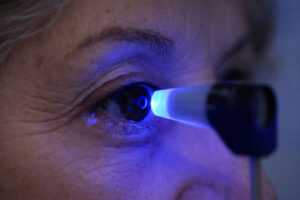
Applanation tonometry
This test is often considered the most accurate option. First, we place numbing drops in your eye. Next, a small device gently touches the surface of the eye for a few seconds to measure pressure.
Non-contact tonometry (air puff)
This method uses a short puff of air to estimate pressure. It does not touch the eye, so it does not need numbing drops.
Handheld tonometry (Tonopen-style tools)
Sometimes, a handheld device works best, especially if a patient cannot sit comfortably at the slit lamp.
Because high eye pressure can change throughout the day, we may repeat measurements or re-check at a follow-up visit. That way, we do not make decisions based on a single reading.
What Can Cause High Eye Pressure?
High eye pressure usually happens because the eye’s drainage system is not clearing fluid as efficiently as it should. Common reasons include:
Ocular hypertension, which means higher pressure without optic nerve damage
Then we choose a plan that fits your situation, not a one-size-fits-all approach.
High Eye Pressure Treatment Options
Prescription eye drops
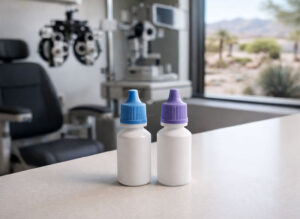
Eye drops are often the first step. Some drops reduce fluid production. Others help the eye drain fluid more effectively. Many patients control high eye pressure well with consistent daily use.
Laser treatment (often SLT)
Laser treatment can help improve the eye’s drainage system. For example, selective laser trabeculoplasty (SLT) is commonly used for open-angle glaucoma and may reduce your need for drops in some cases.
Minimally invasive glaucoma surgery (MIGS)
For certain patients, especially those already planning cataract surgery, MIGSprocedures can help lower pressure with smaller incisions and a quicker recovery than traditional glaucoma surgery.
Traditional glaucoma surgery
If glaucomais advanced or pressure stays high despite other options, surgery can create a new drainage pathway to lower pressure and protect the optic nerve.
Why Follow-up Testing Matters
High eye pressure often has no warning signs. That is exactly why follow-ups matter. Regular exams help your doctor:
Catch rising pressure early
Compare optic nerve changes over time
review imaging results and visual field patterns
Adjust treatment before damage progresses
In other words, monitoring turns guesswork into a clear plan.
When Should You Get Checked?
Adults should still get routine comprehensive eye exams even when vision seems normal. You may need more frequent checks if you have:
a family history of glaucoma
diabetes
high myopia (strong nearsightedness)
African American or Hispanic heritage
long-term steroid use
Also, seek urgent care if you ever have sudden eye pain, severe headache, halos around lights, nausea, or fast vision changes. Those symptoms can suggest angle-closure glaucoma, which needs immediate evaluation.
Take the Next Step Toward Protecting Your Vision
High eye pressure can be easy to miss because it usually feels normal, but it is also easy to measure and manage when you stay on top of it. Schedule a comprehensive eye exam at M&M Eye Institute in Prescott Valley, Arizona, so we can check your pressure, evaluate your optic nerve, and build a plan that fits your eyes and your life.
FAQ: High Eye Pressure
Many people fall between about 10 and 21 mmHg, but your safe range depends on your optic nerve and risk factors. Your doctor will explain what is safe for you.
Most people feel nothing. That is why routine exams matter. However, angle-closure glaucoma can cause sudden symptoms like pain, halos, and nausea, and needs urgent care.
Not always. Some people have ocular hypertension with no optic nerve damage. Still, higher pressure can increase glaucoma risk, so monitoring is important.
That depends on your risk level and your test results. Many adults benefit from annual exams, while higher-risk patients may need closer follow-up.
No. Applanation testing uses numbing drops, and the air-puff test does not touch your eye.
Yes. Drops, laser treatment, and surgery can lower pressure and help keep it in a safer range.
Over time, it can raise the risk of optic nerve damage and permanent vision loss from glaucoma.
Related Posts
Schedule Your Eye Exam Online
Whether you’re here for a routine exam or managing something more complex, our experienced team guides you—every step of the way.
To provide the best experiences, we use technologies like cookies to store and/or access device information. Consenting to these technologies will allow us to process data such as browsing behavior or unique IDs on this site. Not consenting or withdrawing consent, may adversely affect certain features and functions.
Functional
Always active
The technical storage or access is strictly necessary for the legitimate purpose of enabling the use of a specific service explicitly requested by the subscriber or user, or for the sole purpose of carrying out the transmission of a communication over an electronic communications network.
Preferences
The technical storage or access is necessary for the legitimate purpose of storing preferences that are not requested by the subscriber or user.
Statistics
The technical storage or access that is used exclusively for statistical purposes.The technical storage or access that is used exclusively for anonymous statistical purposes. Without a subpoena, voluntary compliance on the part of your Internet Service Provider, or additional records from a third party, information stored or retrieved for this purpose alone cannot usually be used to identify you.
Marketing
The technical storage or access is required to create user profiles to send advertising, or to track the user on a website or across several websites for similar marketing purposes.