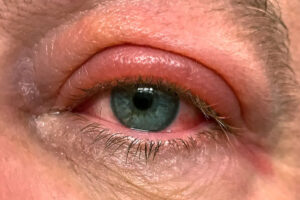
Itchy Eyes: Common Causes and Treatment at M&M Eye Institute
Itchy eyes are most commonly caused by allergies, dry eye, or environmental irritants, especially in climates like Prescott, Arizona, where pollen, dust, and seasonal changes are common. In some cases, itchy eyes may signal an underlying condition such as allergic conjunctivitis or blepharitis. While many causes are mild, persistent itching should be evaluated to protect long-term eye comfort and health.
If you are dealing with itchy eyes that will not go away, understanding the cause is the first step toward relief.
What Causes Itchy Eyes?
Itching is usually a response to irritation or inflammation on the surface of the eye. The most common triggers include allergens, dryness, and environmental exposure.
Allergies and Allergic Conjunctivitis
Allergies are the leading cause of eye itchiness. When your eyes come into contact with allergens such as pollen, dust mites, pet dander, or mold, your immune system releases histamine. This triggers inflammation, redness, watering, and intense itching.
In Prescott, Arizona, seasonal pollen and dry, windy conditions can worsen allergic symptoms. Many people experience flare-ups during spring and fall.
Common signs of eye allergies include:
Redness
Tearing
Swelling of the eyelids
Burning or gritty sensation
Sneezing or nasal congestion
Unlike infections, itchy eyes from allergies usually affect both eyes simultaneously.
Dry Eye Syndrome
Dry eye can also cause itchy eyes. When your tears do not adequately lubricate the eye’s surface, irritation develops. This can create a cycle of dryness, inflammation, and itching.
Dry conditions in Prescott, Arizona, especially during warmer months, may contribute to tear film instability.
Symptoms of dry eye include:
Stinging or burning
Blurred vision
Sensitivity to light
A feeling of something in the eye
Sometimes dry eye and allergies overlap, making symptoms more persistent.
Environmental Irritants
Smoke, pollution, dust, wind, and chlorine from pools can all trigger itchiness. Even prolonged screen time can worsen symptoms by reducing blinking and increasing tear evaporation.
Prescott’s high-desert climate means wind and airborne particles are common contributors to irritation.
Contact Lenses
Contact lenses can trap allergens or debris on the eye’s surface. If lenses are not cleaned properly or worn longer than recommended, they can increase itching and inflammation.
If your eyes worsen after inserting contacts, your lenses or solution may be contributing to the cause.
Blepharitis and Eyelid Conditions
Inflammation of the eyelids, known as blepharitis, can cause itching along the lash line. This condition is often associated with bacteria, clogged oil glands, or skin conditions like rosacea.
Signs may include:
Crusting around lashes
Red eyelid margins
Burning sensation
Flaky skin near the eyes
Proper lid hygiene can significantly improve symptoms.
When Itchiness May Signal Something More Serious
Most cases of itchy eyes are related to allergies or dryness, but persistent symptoms deserve evaluation. In rare cases, chronic inflammation can affect the cornea, leading to increased discomfort over time.
Seek prompt care if itchy eyes are accompanied by:
Eye pain
Sensitivity to light
Thick discharge
Sudden vision changes
These symptoms may suggest infection or another condition requiring treatment.
How Itchy Eyes Are Treated
Treatment depends on the cause.
Allergic itchy eyes:
Prescription antihistamine or mast cell stabilizer drops
Artificial tears to flush allergens
Cold compresses
Avoidance of known triggers
Dry eye:
Lubricating eye drops
Warm compresses
Prescription medications, when necessary
In-office treatments if dryness is moderate to severe
Blepharitis:
Eyelid hygiene routines
Targeted treatments to improve gland function
An accurate diagnosis ensures that treatment addresses the root cause rather than masking symptoms.
Preventing Itchy Eyes in Prescott, Arizona
Because local environmental factors contribute significantly, prevention matters.
Monitor pollen levels during allergy season
Keep windows closed on high pollen days
Use air filtration indoors
Avoid rubbing your eyes, which worsens inflammation
Wash your hands frequently to reduce allergen transfer
If you experience frequent itchy eyes in Prescott, Arizona, a comprehensive eye examcan identify underlying triggers and guide long-term management.
FAQ: Itchy Eyes
What is the most common cause of itchy eyes?
Allergies are the most common cause of itchy eyes. Pollen, dust, and pet dander often trigger inflammation and itching.
Can dry eye cause these issues?
Yes. When the tear film is unstable, dryness can irritate the eye’s surface, leading to itching.
Should I rub my eyes if they itch?
No. Rubbing releases more inflammatory chemicals and can worsen symptoms.
How do I know if my itchy eyes are an allergy or an infection?
Allergies usually affect both eyes and cause clear tearing. Infections may cause thick discharge, pain, or changes in vision.
When should I see an eye doctor?
If itching persists, worsens, or is accompanied by pain or vision changes, schedule an exam.
Can contact lenses make my eyes worse?
Yes. Contacts can trap allergens or irritants, potentially worsening symptoms if not cleaned properly.
Are itchy eyes common in Prescott, Arizona?
Yes. The dry climate and seasonal pollen levels in Prescott, Arizona, can increase the frequency of itchy eyes.
Find Lasting Relief
Itchy eyes are common, especially in Prescott, Arizona, but persistent irritation should not be ignored. Whether your symptoms are caused by allergies, dry eye, or another condition, a comprehensive eye examat M & M Eye Institute can identify the cause and create a personalized treatment plan. Schedule your appointment today to protect your comfort and long-term eye health.
Related Posts
Schedule Your Eye Exam Online
Whether you’re here for a routine exam or managing something more complex, our experienced team guides you—every step of the way.
To provide the best experiences, we use technologies like cookies to store and/or access device information. Consenting to these technologies will allow us to process data such as browsing behavior or unique IDs on this site. Not consenting or withdrawing consent, may adversely affect certain features and functions.
Functional
Always active
The technical storage or access is strictly necessary for the legitimate purpose of enabling the use of a specific service explicitly requested by the subscriber or user, or for the sole purpose of carrying out the transmission of a communication over an electronic communications network.
Preferences
The technical storage or access is necessary for the legitimate purpose of storing preferences that are not requested by the subscriber or user.
Statistics
The technical storage or access that is used exclusively for statistical purposes.The technical storage or access that is used exclusively for anonymous statistical purposes. Without a subpoena, voluntary compliance on the part of your Internet Service Provider, or additional records from a third party, information stored or retrieved for this purpose alone cannot usually be used to identify you.
Marketing
The technical storage or access is required to create user profiles to send advertising, or to track the user on a website or across several websites for similar marketing purposes.